UPTIME MANAGEMENT
A plan for the machine. A plan for UPTIME.
Maintenance, condition information and training work best when they inform the same set of priorities.
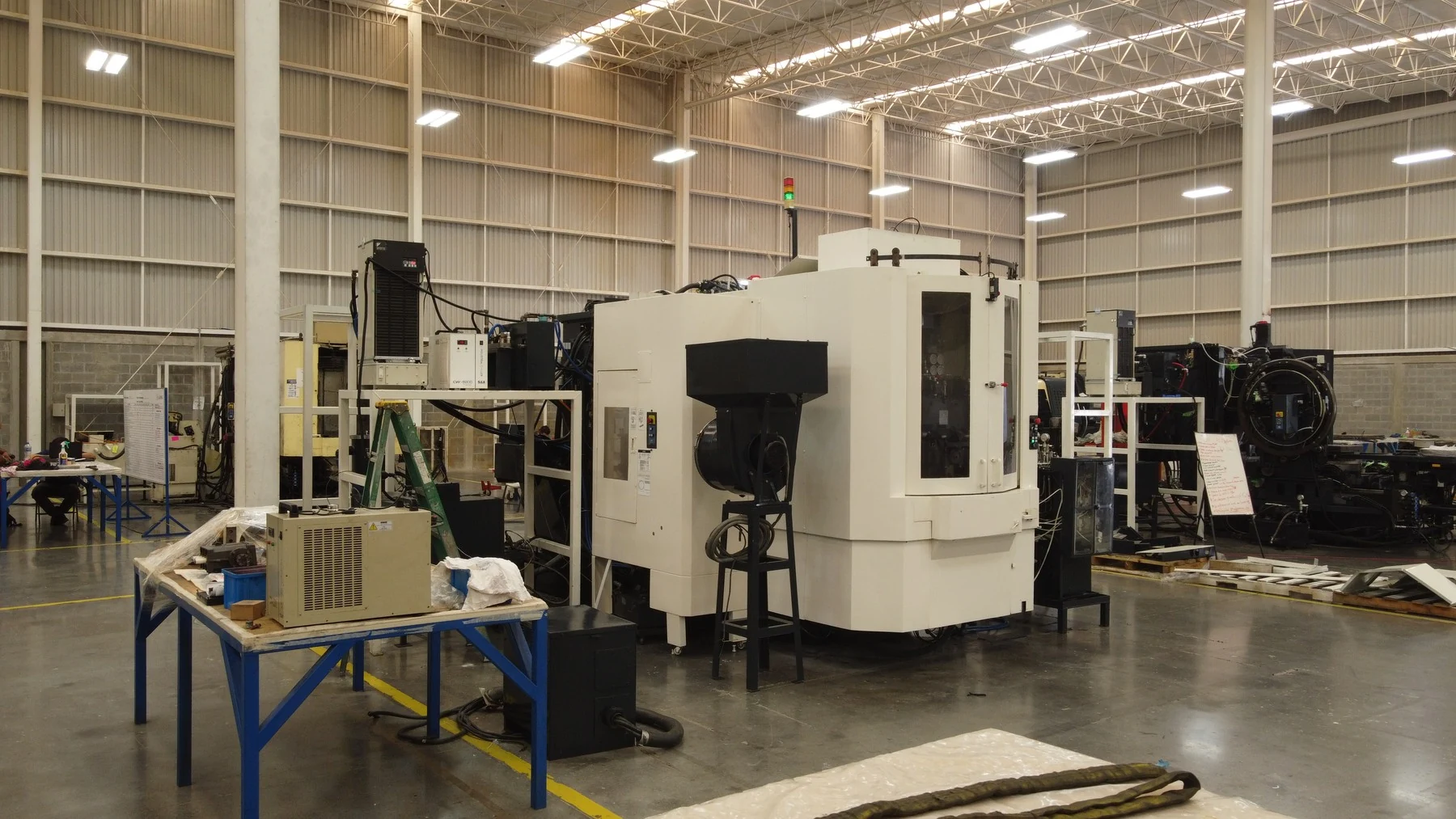 LAING workshop archive
Prevent
Establish machine-specific care routines and planned maintenance.
Anticipate
Use machine condition and failure history to focus attention.
Manage
Prioritize actions, assign follow-through and review recurring issues.
Train
Build the operating and maintenance knowledge behind reliable equipment.
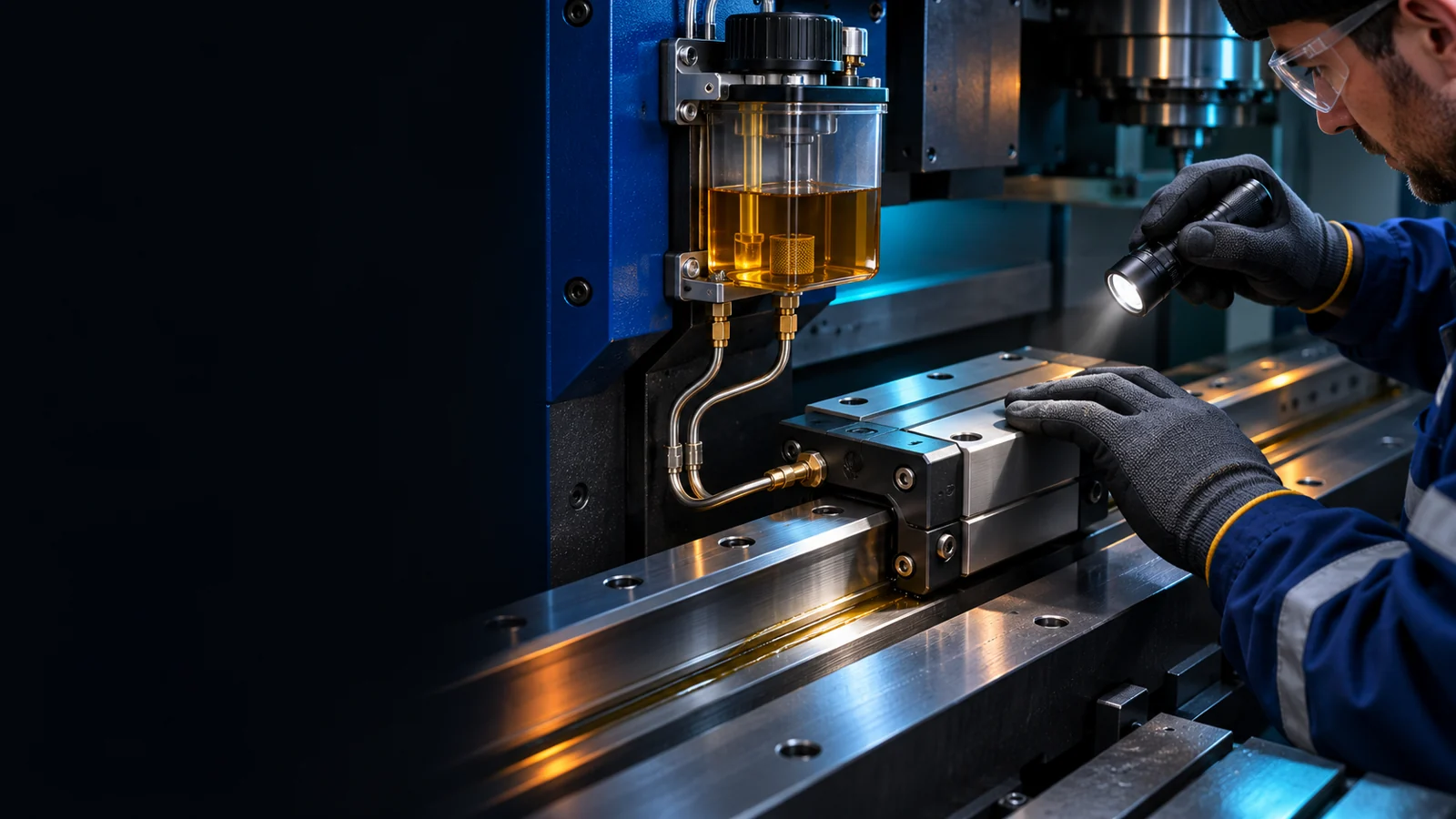
PREVENTATIVE MAINTENANCE
Plan the work. Protect the production.
Build a routine around the machine, its duty and your production schedule. Define the checks, the service intervals and how completed work is recorded.
- Machine-specific routines
- Scheduled inspections and service
- Completion records and follow-through
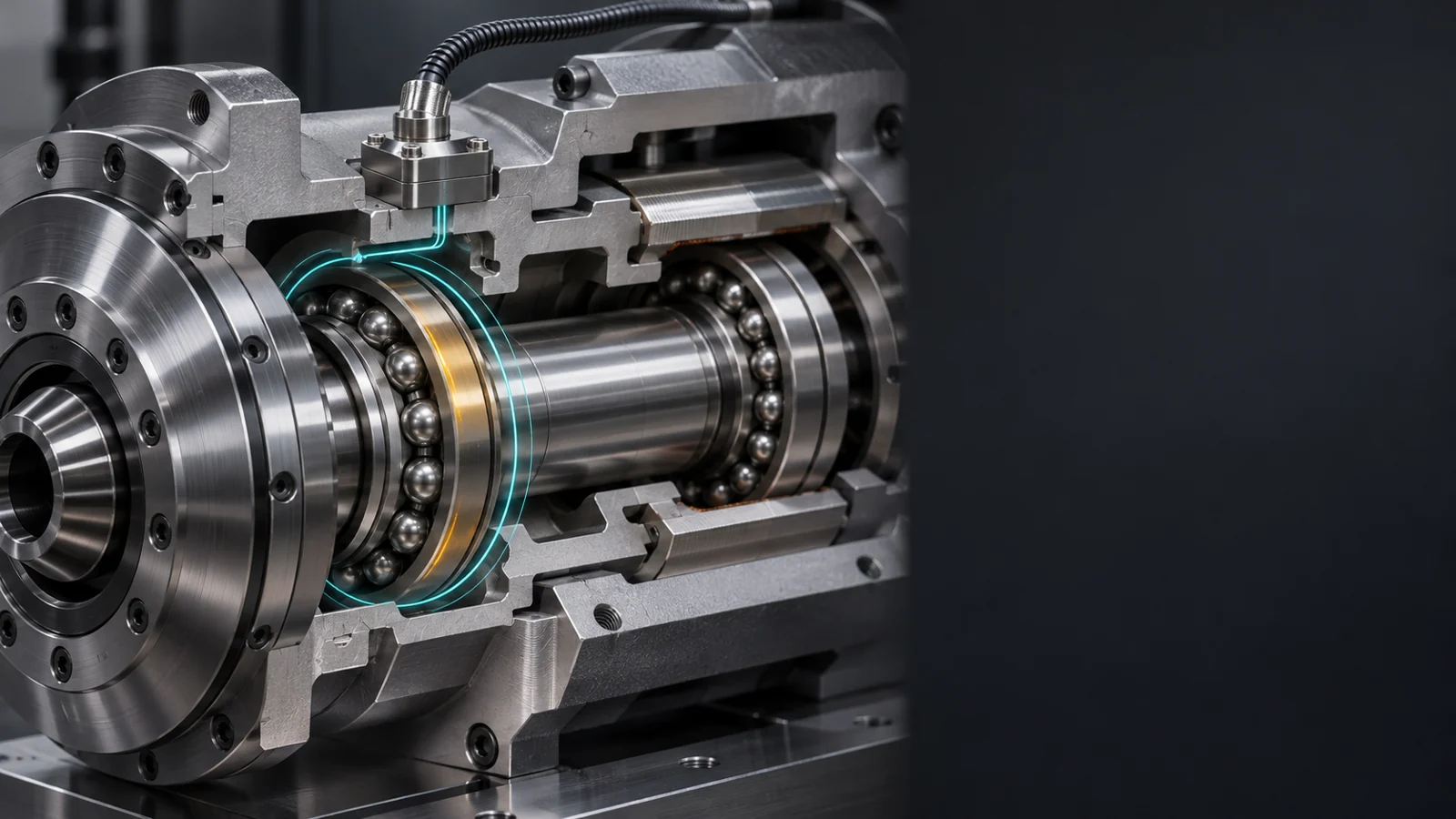
PREDICTIVE MAINTENANCE
Read the condition. Plan the response.
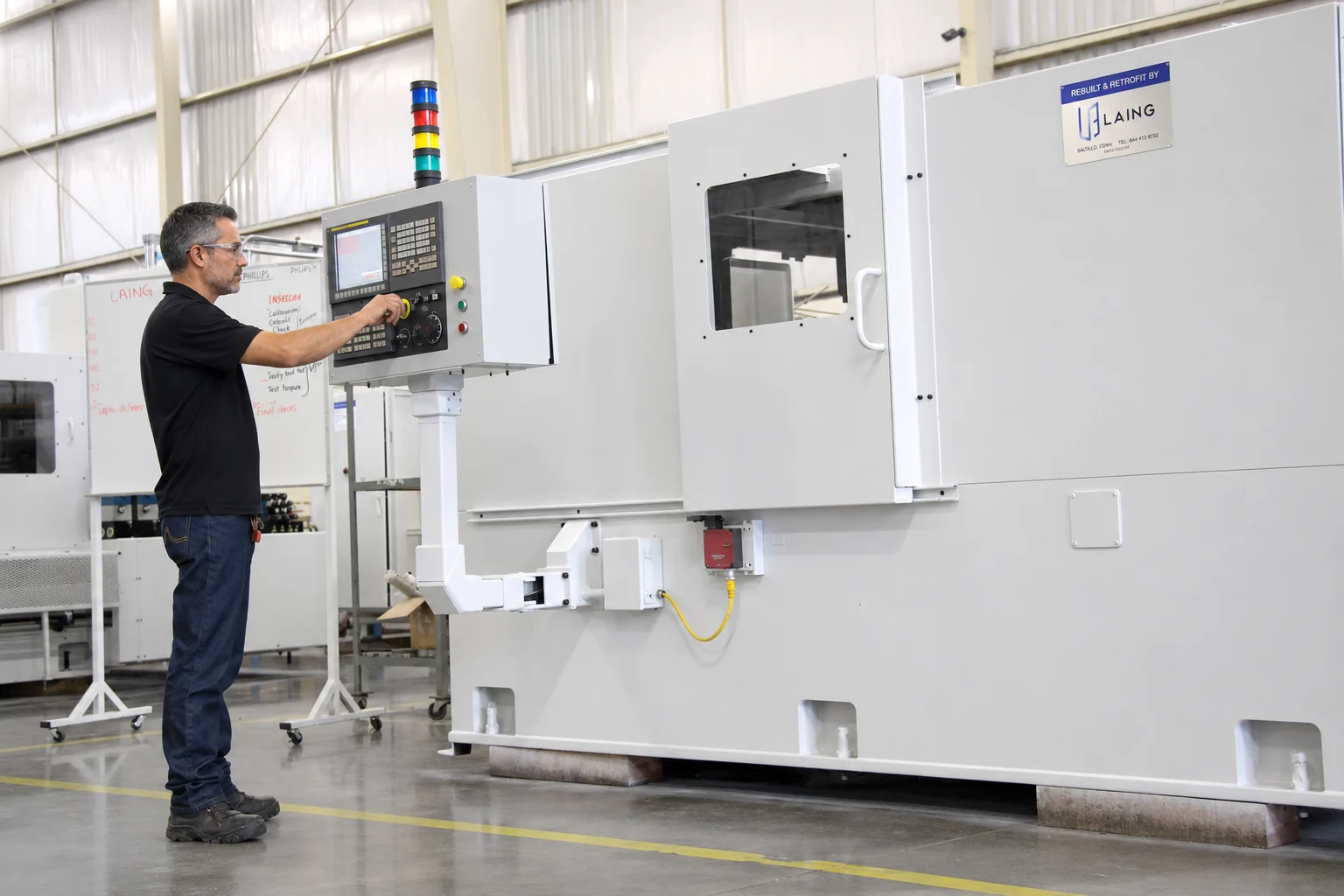
Review condition information alongside failure history. Use the findings to prioritize checks, planned interventions and repairs—and track each action through to completion.
- Condition and failure-history review
- Priorities, responsibilities and action
- Review recurring issues
Technical training
Training belongs beside the machine.
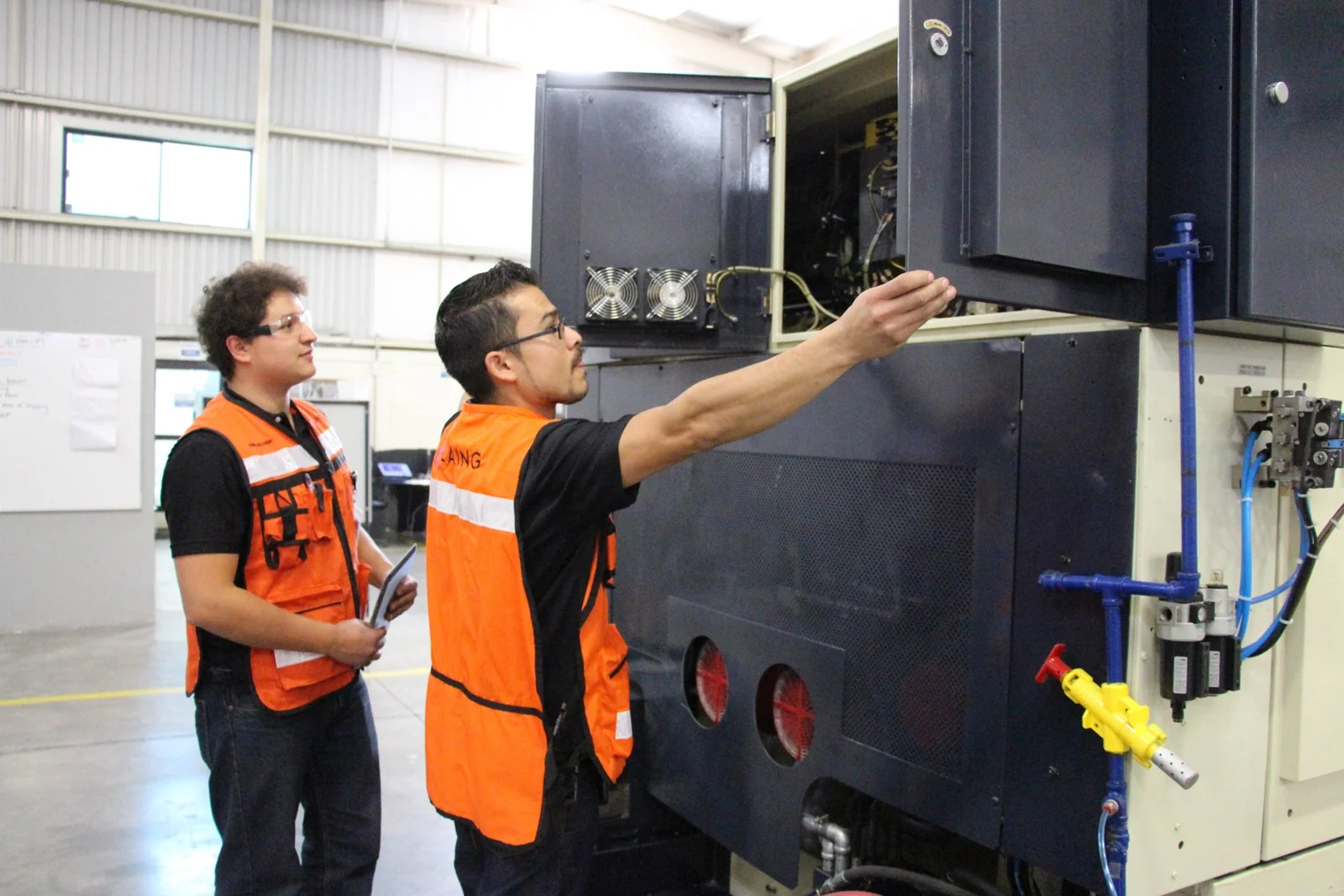
Support the people responsible for daily operation and maintenance. Practical technical training and project handover help your team retain the knowledge behind the equipment.
- Operation and machine care
- Troubleshooting and maintenance practices
- Knowledge transfer at handover
Start with the assets that matter most.
Build the scope around critical equipment, current maintenance practices and recurring production interruptions. Agree on what to monitor, what to act on and how progress will be reviewed.
- 01
Understand
Review the equipment, operating context and known issues.
- 02
Plan
Define preventative routines, condition checks and priorities.
- 03
Act
Connect findings to planned work, repairs and training.
- 04
Review
Revisit recurring issues and adjust the maintenance plan.
YOUR NEXT PROJECT
What does your operation need next?
A rebuild, a new controls strategy, equipment installation or a stronger maintenance plan. Start with a conversation.